Same-Day Pet Carpet Repair in Calgary: What Can Actually Be Fixed?
If a dog has chewed a corner, a cat has pulled a few loops loose, or your carpet has picked up a urine stain, replacing the whole room is not always necessary.
In many cases, the damaged section can be repaired. A carpet technician may be able to patch a torn area, repair a snag, re-stretch loose carpet, or replace a section of padding affected by pet urine.
The catch is that not every type of damage is a good candidate for a quick repair. The carpet’s construction, the size of the damaged area, the condition of the backing and padding, and the availability of matching carpet all matter.
For that reason, a proper inspection is more useful than trying to judge the repair from a photograph alone.
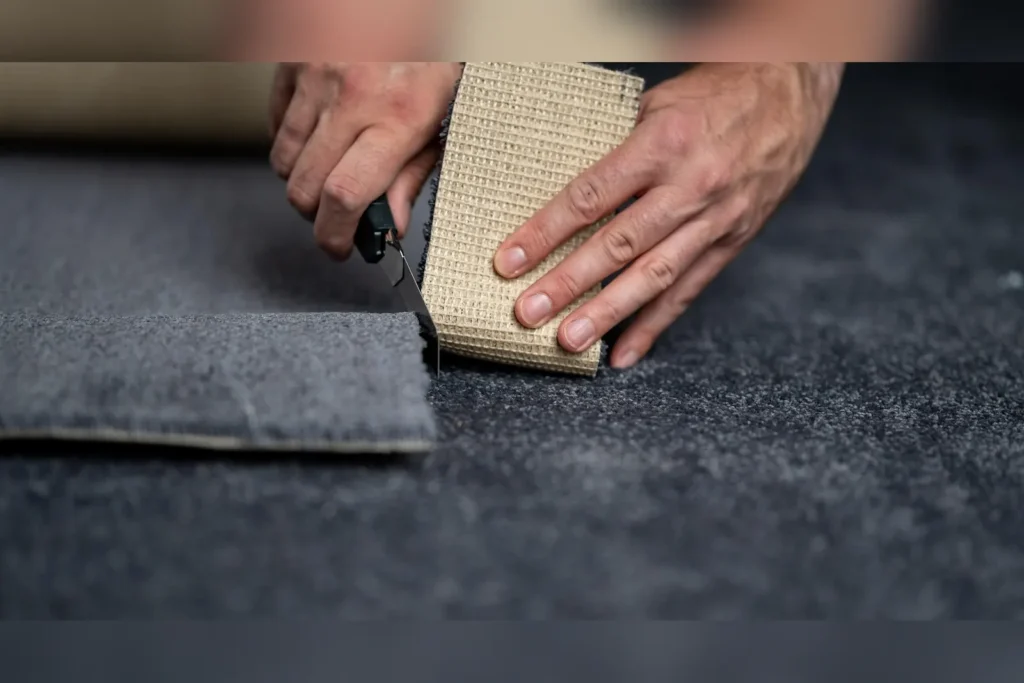
What Pet Carpet Damage Can Usually Be Repaired?
Most pet damage falls into a handful of common categories.
| Type of damage | Can it usually be repaired? | Typical approach |
|---|---|---|
| Small snags | Yes | Secure, trim, or repair damaged fibers |
| Small tears | Usually | Patch the damaged section |
| Dog-chewed carpet | Often | Cut out damaged area and install a patch |
| Cat scratches | Often | Repair individual fibers or loops |
| Loose or wrinkled carpet | Usually | Re-stretch and reattach |
| Small stains | Often | Professional cleaning or treatment |
| Burned area | Often | Patch with matching carpet |
| Persistent urine odor | Sometimes | Treat carpet, pad, and possibly subfloor |
| Widespread urine contamination | Not always | May require removal and replacement |
The important distinction is between damage to the carpet itself and damage that has reached the materials underneath it.
A six-inch tear in otherwise healthy carpet is a very different job from a six-inch urine spot that has soaked through the carpet and padding.
Dog-Chewed Carpet Can Often Be Patched
Dogs commonly damage carpet around doorways, corners, transitions, and areas where they have been scratching or chewing.
If the damage is confined to one area, a technician can usually remove the damaged section and install a piece of matching carpet.
The quality of the repair depends largely on the replacement material. The best match is usually a leftover piece from the original installation. If no remnant was saved, carpet may sometimes be taken from an inconspicuous area such as a closet.
Using a donor piece from the same carpet is preferable to trying to match the carpet by appearance alone. Two carpets can look almost identical in a store and still show a noticeable difference once they are installed beside older, worn carpet.
A patch also works better when the surrounding carpet is still in decent condition. If the entire room is badly worn, a new patch may stand out simply because the surrounding carpet has aged.
What About Cat Scratches and Pulled Loops?
Cat claws can create a different type of problem, especially in Berber and other looped carpets.
A cat may pull one loop loose and leave a small strand sticking up. It can be tempting to cut it off, but that is not always the best fix. If the loop is part of a larger run, cutting or pulling at it can allow more of the carpet to unravel.
If you notice a loose loop, leave it alone rather than repeatedly pulling on it.
Small fiber damage can often be repaired without replacing the entire section. More extensive unraveling may require a more involved repair.
Stairs deserve particular attention because damaged carpet on a stair edge can continue to loosen with regular foot traffic.
Pet Urine Is a Different Problem
A urine stain is not always just a stain.
When a pet has an accident, some of the liquid remains in the carpet fibers. With repeated or heavy accidents, it can pass through the carpet backing and into the padding below.
That is why spraying the visible spot and making it look clean does not necessarily solve the odor.
A technician assessing urine damage needs to consider what has happened below the surface. Depending on the situation, they may need to determine:
- How long the urine has been there
- Whether the area has been treated before
- How frequently the pet has used the same spot
- Whether the padding is contaminated
- Whether the carpet backing has been damaged
- Whether the subfloor has been affected
For a single, relatively fresh accident, cleaning and treatment may be enough.
For repeated accidents, heavily saturated padding may need to be removed and replaced. If contamination has reached the subfloor, the job can become considerably more involved.
This is one reason repeated carpet cleaning is not always the answer to a persistent pet odor.
What Happens During a Carpet Repair?
A good repair starts with figuring out what actually needs to be fixed.
1. The damaged area is inspected
The technician looks at the carpet fibers, backing, seams, edges, and attachment points. With urine damage, the padding underneath also needs to be considered.
2. The repair method is selected
There is no single technique for pet damage.
Patching is used when part of the carpet needs to be removed and replaced.
Re-stretching is used when the carpet has become loose or developed wrinkles. Simply pushing a wrinkle flat does not fix the underlying problem. The carpet generally needs to be pulled back into position and secured properly.
Fiber or loop repair can be appropriate for smaller areas where the carpet itself is still intact.
Cleaning and odor treatment may be suitable for stains and isolated contamination.
Padding replacement may be necessary when urine has significantly saturated the pad.
Sometimes more than one of these is required. For example, a pet may have damaged the carpet and contaminated the padding at the same time.
Can Pet Carpet Be Repaired the Same Day?
Yes, some jobs can be.
A small patch, snag repair, or re-stretch is often much easier to complete in one visit than a job involving extensive contamination or hard-to-find replacement carpet.
The biggest issue with same-day patching is often the material.
If a suitable piece of matching carpet is already available, a technician may be able to complete the repair during the appointment. If a replacement piece needs to be located or ordered, the repair may have to wait.
Urine damage can also change the scope of the job once the carpet is inspected. What appears to be a small stain from above may turn out to involve the padding underneath.
For that reason, “same-day service” and “same-day completion” are not necessarily the same thing.
A company can often inspect and assess the problem the same day even when the actual repair requires another visit.
Will You Be Able to See the Carpet Patch?
Possibly.
A well-done patch can blend very well with the surrounding carpet, but claiming that every repair will be completely invisible is unrealistic.
Older carpet has usually faded and worn differently from new material. Even carpet from the same manufacturer can look slightly different after years of foot traffic and exposure to sunlight.
The result can be affected by:
- Age of the carpet
- Wear in the surrounding area
- Sun fading
- Carpet texture
- Pile direction
- Dye-lot differences
- Quality of the donor material
- Location of the patch
- Lighting in the room
A patch in the middle of a heavily trafficked room can be more noticeable than one in a less visible area.
The goal of a good repair is to make the damage far less noticeable, not to promise something that the carpet itself cannot realistically support.
When Should You Replace the Carpet Instead?
Repair is usually most worthwhile when the problem is localized and the rest of the carpet is in reasonable condition.
Replacement starts to make more sense when the damage is spread across the room or the carpet is already near the end of its useful life.
For example, replacement may be worth considering when you have:
- Extensive urine contamination
- Heavily contaminated padding
- Persistent odor after appropriate treatment
- Damaged or deteriorating carpet backing
- Numerous damaged areas throughout the room
- Major seam failures
- Carpet that is already badly worn
- No suitable material available for a patch
There is no reliable rule that says a certain number of square feet automatically means “replace.”
A small area can require extensive work if contamination has gone deep. Conversely, a relatively large tear can sometimes be patched successfully if the surrounding carpet is sound and suitable donor material is available.
The visible size of the damage is only part of the assessment.
What Should You Do After a Fresh Pet Accident?
If the accident has just happened, deal with it as soon as you can.
For fresh urine:
- Blot up as much liquid as possible.
- Avoid scrubbing the area aggressively.
- Use a carpet-safe product intended for the type of contamination.
- Follow the product directions instead of repeatedly soaking the carpet.
- If an odor remains, have the carpet and padding assessed.
Be careful with household cleaning products. Some can leave residues or complicate later professional treatment.
If your pet repeatedly uses the same area, that is another reason to have the carpet checked. There may be residual odor below the surface that continues attracting the animal back to the same spot.
How Much Does Pet Carpet Repair Cost in Calgary?
There is no useful one-size-fits-all price for pet carpet repair.
A technician may be dealing with a simple fiber repair one day and a contaminated carpet-and-padding replacement the next.
The price can depend on:
- Type of carpet
- Size of the damaged area
- Location of the damage
- Condition of the carpet backing
- Condition of the padding
- Availability of matching material
- Amount of labor
- Furniture that needs to be moved
- Cleaning or odor treatment required
- Additional materials needed
A small localized repair will normally cost less than replacing an entire room, but the actual price should be based on the work involved.
Be cautious about a quote that does not clearly explain what is included. If urine is involved, ask whether the quoted work covers the carpet only or also addresses contaminated padding.
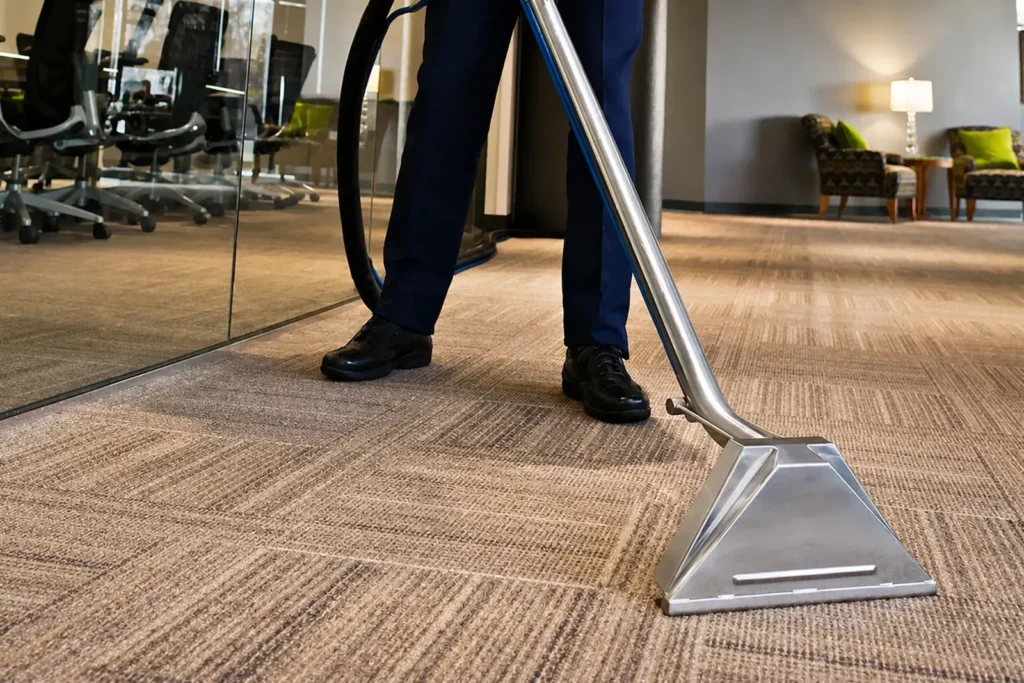
How to Choose a Carpet Repair Company in Calgary
If you are calling a carpet repair company because of pet damage, ask what they actually plan to repair.
Useful questions include:
- Do you repair damaged carpet or only replace it?
- Can you inspect the padding?
- What happens if urine has reached the pad?
- Do you work with Berber and other loop carpets?
- Can you match or source replacement carpet?
- Can you perform the repair the same day if material is available?
- Does the quote include cleaning or odor treatment?
- What happens if additional damage is found underneath?
- What should I realistically expect the finished repair to look like?
A good technician should be able to explain the problem in plain terms and tell you why they recommend a particular repair.
You do not necessarily need to replace an entire room because of one damaged section. On the other hand, a cheap patch is not a good solution if the underlying problem is contaminated padding or failing carpet backing.
Frequently Asked Questions
Can dog-chewed carpet be repaired?
Often, yes. If the chewing is limited to one area, the damaged section can usually be cut out and patched. The main factors are the size and location of the damage and whether a suitable piece of matching carpet is available.
Can cat scratches be repaired?
Small snags and isolated fiber damage can often be repaired. Loop carpets need more care because pulling on one damaged loop can cause additional unraveling.
Can pet urine odor be completely removed?
It depends on how far the urine has travelled. If contamination is limited to the carpet, cleaning and treatment may solve the problem. If the padding or subfloor has been heavily affected, additional removal and treatment may be necessary.
Is carpet repair cheaper than replacement?
For localized damage, it often is. Repair only addresses the affected area rather than replacing otherwise usable carpet. Replacement can make more sense when damage is widespread or the carpet is already heavily worn.
Can carpet be repaired without replacing the whole room?
Yes. Small tears, burns, snags, chewed sections, and loose carpet can often be addressed without replacing the entire room.
Can pet carpet repair be done the same day?
Some repairs can be completed during one visit. Small repairs are generally easier to accommodate, provided the necessary tools and matching material are available. More extensive urine damage or repairs requiring special materials may take longer.
Will a carpet repair look brand new?
Not always. A good repair can blend closely with the surrounding carpet, but differences in age, fading, wear, texture, and lighting can make a repaired area visible.
The Bottom Line
Pet damage does not automatically mean you need new carpet.
A torn section, pulled loop, chewed corner, burn, or loose carpet can often be repaired when the surrounding carpet is still in good condition. Pet urine needs a little more investigation because the visible stain may only be part of the problem.
If the carpet looks damaged, start with an assessment rather than assuming the entire room needs to be replaced.
The useful question is not simply, “Can this carpet be repaired?”
It is, “What has actually been damaged, and what needs to be done to fix it properly?”